What We Handle



Neighborhood Demand Profiles
Across Miami-Dade.
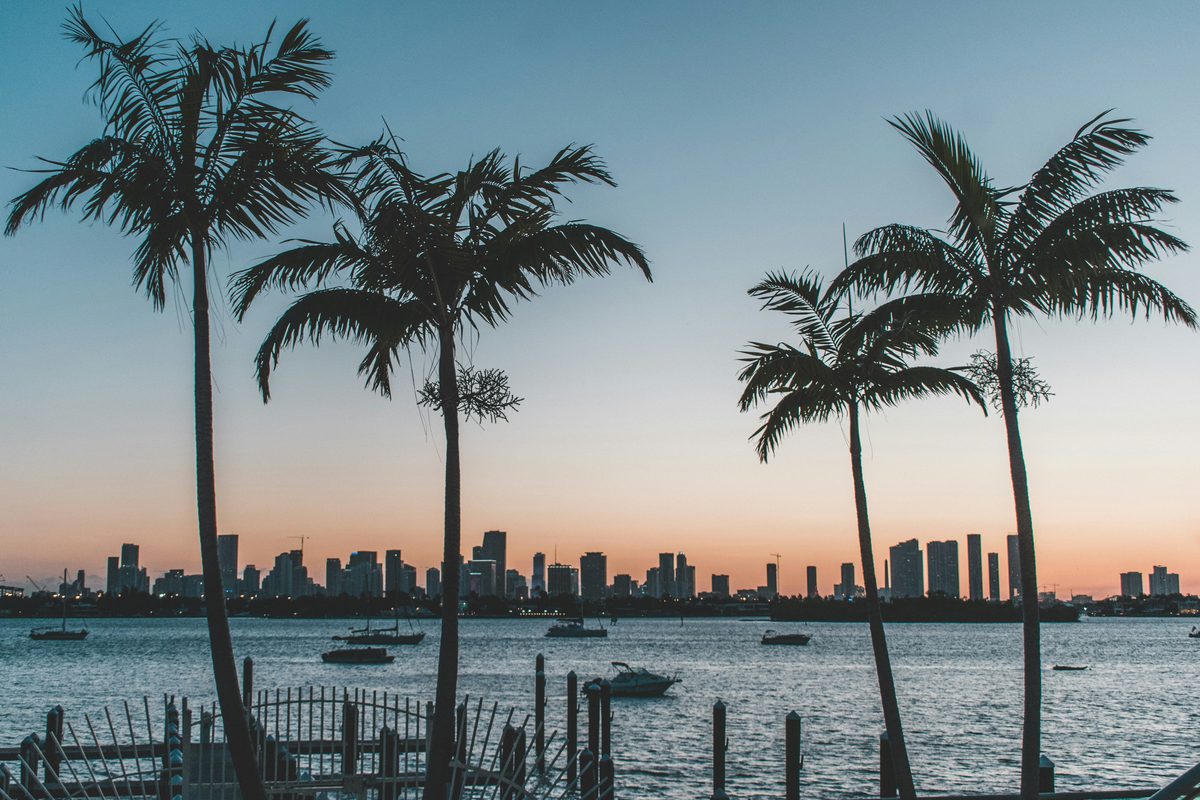
Art Deco corridor drawing international leisure travelers year-round. Event-driven peaks during Art Basel, Swim Week, and Formula 1 compress inventory across the barrier island. Most residential zones enforce a six-month-and-one-day minimum stay — condo-hotels like W South Beach and The Setai are the exception, operating under hotel classifications that permit nightly rentals.
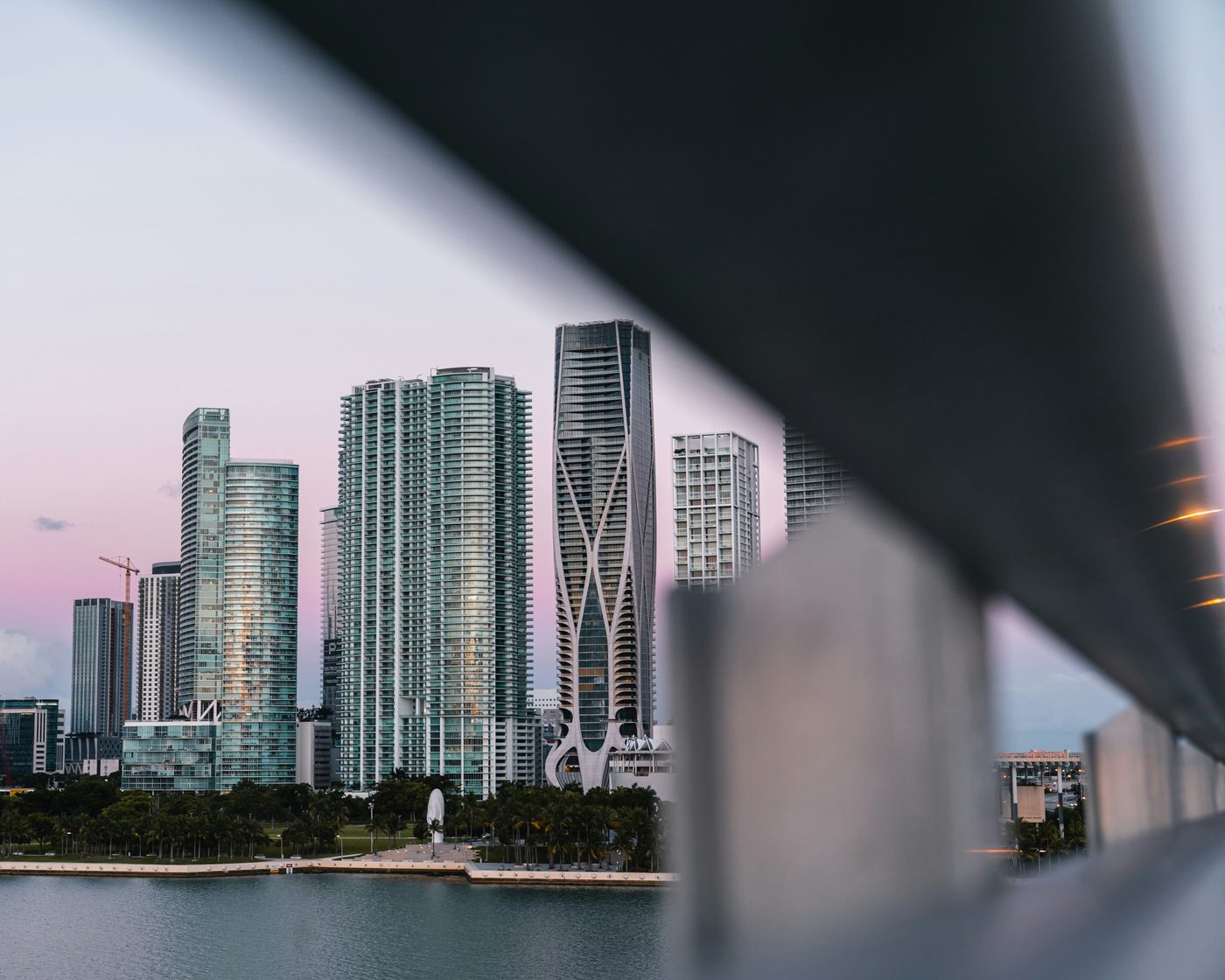
Miami’s financial district. Corporate relocations, consulting engagements, and mid-term tenants staying thirty to ninety days. STR-friendly inventory is limited — Icon Brickell Tower III remains the primary daily-rental building. That scarcity supports stronger rate positioning. Mid-term demand from corporate and medical sectors provides a consistent baseline between seasonal peaks.
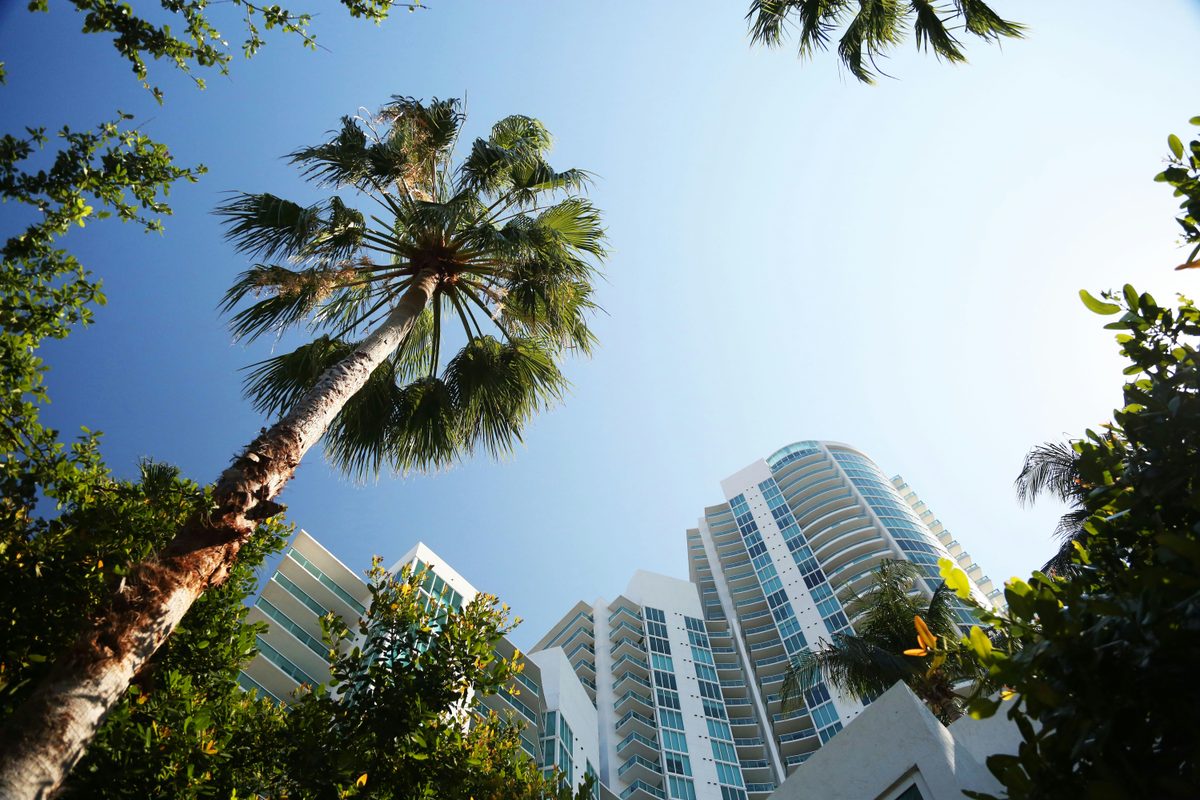
The center of Miami’s STR-native development. Natiivo, The Elser, YotelPad, and E11EVEN were designed from the ground up for short-term rental use — no legacy HOA restrictions, no minimum-stay carve-outs. MiamiCentral terminus access and PortMiami walkability add demand layers the beach corridor does not share. For investors entering the Miami vacation rental market, Downtown offers the fewest regulatory barriers.
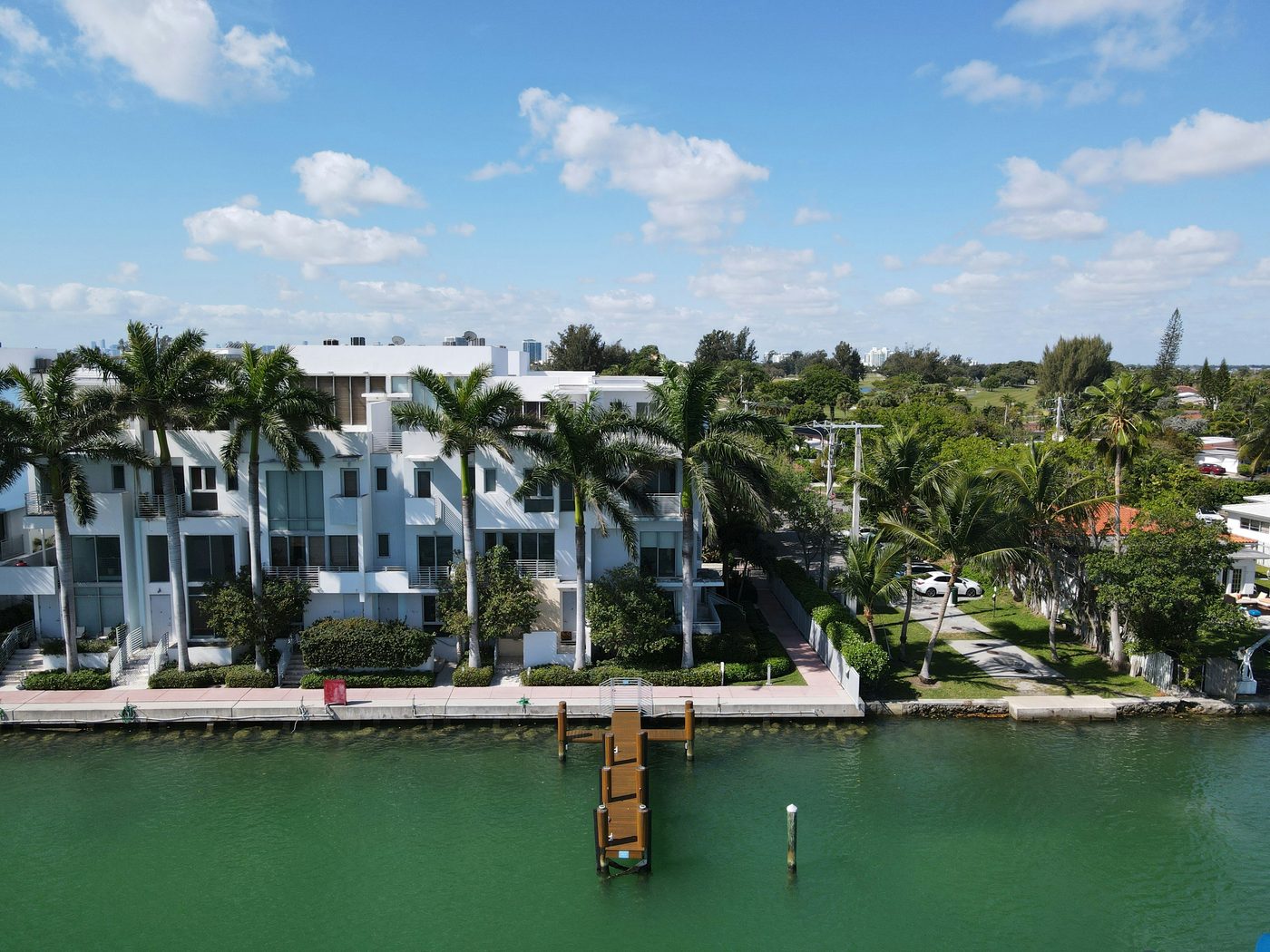
Oceanfront branded residences. International family demand. Two and a half miles of Collins Avenue lined with Porsche, Armani, Ritz-Carlton, and Acqualina towers — the landing point for Latin American and European capital acquiring US real estate. The 1-hour Responsible Party rule and HOA-declaration consent requirement make Sunny Isles the most tightly regulated STR submarket in Miami-Dade, and the one where absentee ownership most depends on a local operator.
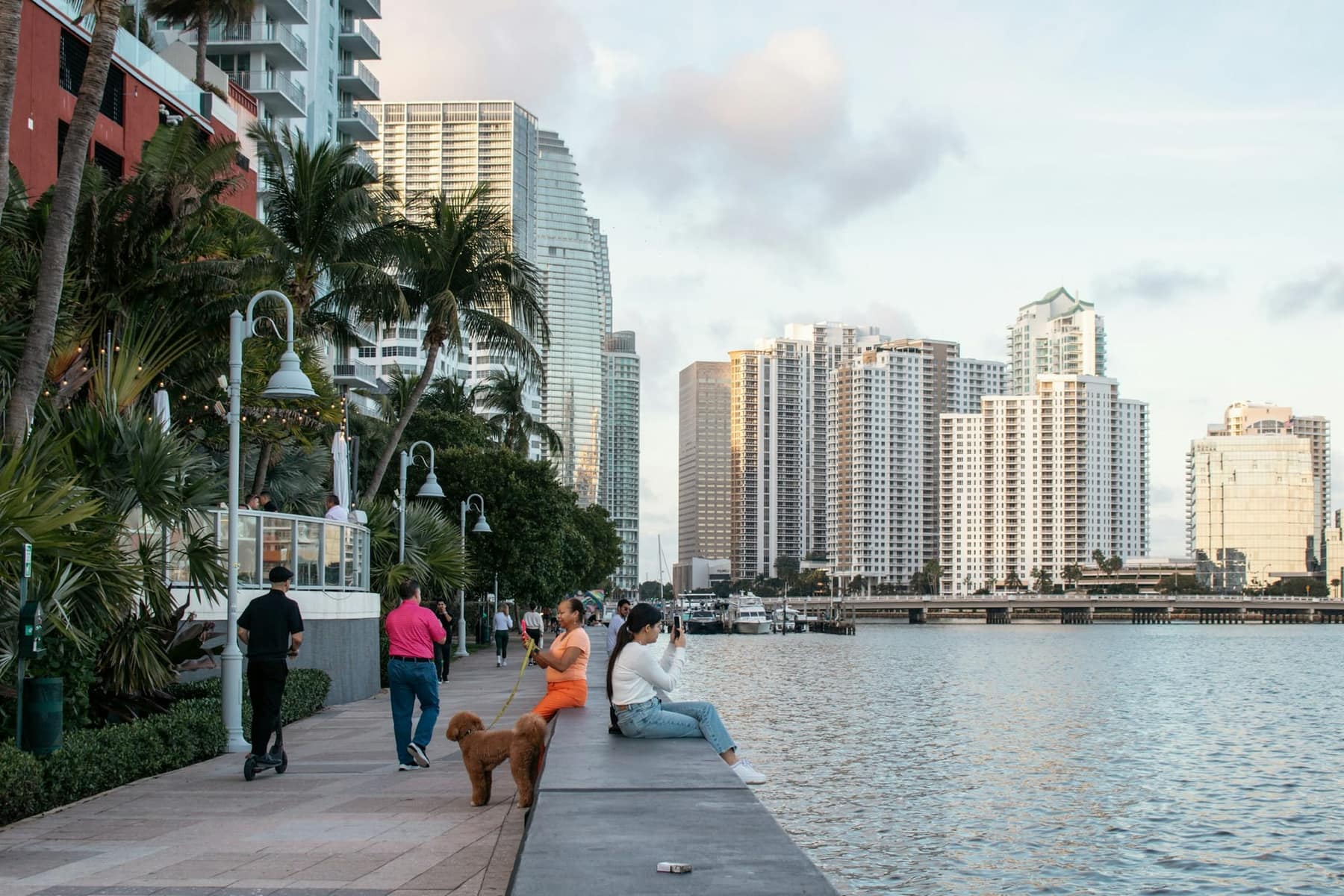

Select Miami Buildings We Operate In.
Virestia manages short-term rentals across Miami-Dade — condo-hotels, high-rise condos, waterfront estates, and single-family residences. These are buildings where we have direct operational knowledge of the rental policy, regulatory framework, and competitive landscape. We operate in additional Miami-Dade buildings beyond this list. For building-specific qualification, contact us.
Miami Property Management
Yes, in most of Miami-Dade — but legality depends on the specific jurisdiction and building. The City of Miami permits short-term rentals in T5 and T6 transect zones covering Downtown and Brickell. Miami Beach prohibits STRs in most residential zones with $20,000 first-offense fines, permitting them only in commercial and high-density zones like RM-2 and RM-3. Coral Gables, Sunny Isles Beach, and Bay Harbor Islands each apply their own frameworks. Building-level HOA rules can further restrict or prohibit STRs regardless of zoning. We evaluate jurisdictional and building-level eligibility before onboarding any property.
Miami Beach and the City of Miami are two separate municipalities with different regulatory frameworks. Miami Beach — which includes South Beach — prohibits short-term rentals in most residential zones and imposes $20,000 first-offense fines on unlicensed operations. The City of Miami, which governs Downtown and Brickell, permits nightly rentals in T5 and T6 transect zones with a broader legal universe. South Beach STRs concentrate in a narrow set of condo-hotels; Downtown and Brickell have purpose-built short-term rental towers.
Yes. Miami short-term rentals require four credentials at minimum: a Florida DBPR vacation rental license, a Miami-Dade County Certificate of Use, a municipal Business Tax Receipt from the city where the property operates, and — in Miami Beach — a Resort Tax Certificate. License numbers must appear on every listing. We manage the full licensing process from initial application through renewal.
Full-service property management covering listing optimization, professional photography, dynamic pricing, guest communication, check-in/check-out coordination, housekeeping, preventive maintenance, compliance management, and transparent owner reporting with monthly performance dashboards including revenue, occupancy, and RevPAR metrics.
Returns depend on property type, building eligibility, seasonality management, and operational execution. The variables differ enough between a Downtown STR-native tower and a Sunny Isles oceanfront residence that a single figure would be misleading. We model projected performance during onboarding using comparable building-level data for your specific unit.
Miami’s salt air, humidity, and hurricane season require proactive maintenance protocols. We run continuous preventive schedules — HVAC servicing, pool and dock maintenance, exterior corrosion monitoring, post-checkout inspections after every guest stay, and full hurricane preparedness procedures including shutter coordination and property securing.
Miami’s regulatory framework spans three jurisdictions — state DBPR licensing, Miami-Dade County business tax receipts, and municipal certificates of use. Each city applies its own rules. Miami Beach prohibits STRs in most residential zones with $20,000 first-offense fines. The City of Miami, governing Downtown and Brickell, permits nightly rentals in T5 and T6 transect zones. We guide owners through registration, inspections, and ongoing compliance across all three jurisdictions.
A significant portion of our Miami portfolio is owned by international and out-of-state investors. We handle everything on the ground — property operations, regulatory compliance, tax coordination, vendor management, and monthly reporting — so owners have full visibility into asset performance without needing to be present.
We manage properties across Miami-Dade, concentrated in Downtown Miami, South Beach, Brickell, the Design District, and Sunny Isles Beach. Each submarket has distinct demand profiles, regulatory requirements, and building-level eligibility rules. Our zone pages for South Beach, Brickell, and Downtown Miami provide submarket-specific analysis.
We take properties from empty to rental-ready — furniture selection, layout planning, décor sourcing, delivery coordination, and styling for photography. Every material and finish is chosen to command peak nightly rates while standing up to Miami’s humidity and frequent guest use. Staging directly impacts your nightly rate ceiling and booking conversion.
We use data-driven pricing tools calibrated to Miami’s demand patterns — tracking Art Basel, Formula 1, Boat Show, Ultra, seasonal migration cycles, and international travel corridors. Rates are adjusted dynamically to maximize both occupancy and average nightly rate, optimizing for total revenue rather than either metric in isolation.
Virestia’s fee structure is performance-aligned and transparent — typically a percentage of gross booking revenue that scales with property type, location, and service scope. We earn when you earn. Contact us for a personalized proposal based on your building, unit configuration, and operational requirements.
Owners receive monthly payouts with detailed performance reports covering bookings, revenue, occupancy, RevPAR, guest ratings, and expense breakdowns. Transparency and reporting are built into our process — you see exactly how your asset is performing.
Let’s discuss your asset.
No obligation. No pitch deck. A conversation about your property’s revenue potential and what professional management should look like.
Contact us