The Corporate Travel Engine
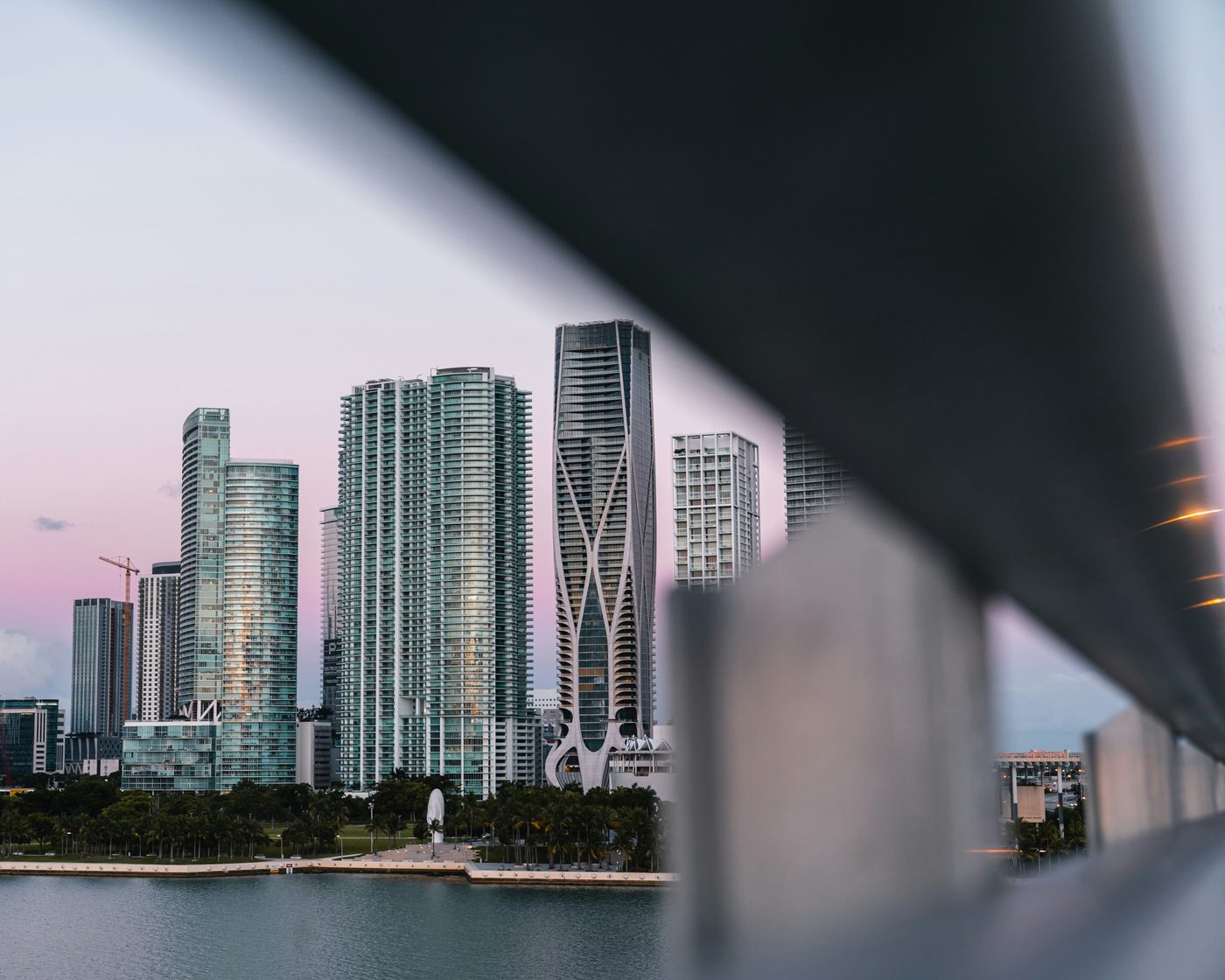
Brickell concentrates 87 financial institutions, 33 foreign banks, and over 1,400 multinational corporations into a compact urban corridor south of the Miami River. Twenty-six foreign consulates operate here. This density of international business produces a guest profile that books year-round and does not follow beach season.
The corporate traveler who books in Brickell is typically a Latin American executive in town for meetings, a banker servicing regional accounts, or a professional attending one of the financial conferences that cycle through the district. They stay two to five nights. They value proximity to their meetings, a clean unit with reliable Wi-Fi and a workspace, and building amenities that approximate a hotel — pool, gym, concierge. They do not need a beachfront view. They need to be in Brickell.
This demand stream is the least seasonal in Miami. South Beach swings dramatically between high season (November through April) and summer. Brickell does not. Corporate travel runs on business calendars, not weather. The result is steadier baseline occupancy and less revenue variance month to month than any beach-facing submarket.
Event demand layers on top of the baseline. Art Basel fills every available unit in greater Miami for a week in December. Formula 1 compresses waterfront demand. The Miami International Boat Show draws buyers and exhibitors who prefer Brickell's proximity to the convention facilities over the congestion of South Beach. These spikes are real, but the corporate baseline is what makes the asset perform between them.
Where Latin American Capital Settles
Over half of Miami-Dade's foreign residential purchases settle in cash. A disproportionate share of that capital flows into Brickell. The buyers are Latin American families and corporate entities acquiring condo-hotel units as income-producing holdings — not primary residences. They need an operator on the ground who handles everything from guest management to building compliance to monthly reporting.
This investor profile is the core of Virestia's Brickell client base. The owner is typically in São Paulo, Mexico City, or Bogotá. They purchased the unit as a financial position. They evaluate it the way they evaluate any other asset in their portfolio — by yield, occupancy, and net operating income. They expect transparent reporting and full operational visibility. They do not want to manage a vacation rental. They want to own a performing asset.
Executives. Investors. Event Travelers.
The Brickell guest profile skews older, higher-income, and more internationally oriented than any other Miami submarket. The dominant segment is Latin American business travelers — executives making regular trips to Miami for banking, legal, and corporate meetings. Many are repeat guests who book the same building quarter after quarter. They know Brickell. They chose it deliberately.
Domestic corporate travelers make up the second segment. Miami's growing status as a financial and tech hub draws professionals from New York, Chicago, and the West Coast for multi-day meetings. These guests compare Brickell STRs to four-star hotels and expect a comparable experience — clean, efficient, well-located, with responsive communication. Properties that deliver on this expectation generate the kind of reviews that sustain high listing visibility.
Event travelers represent the third segment. Art Basel, Formula 1, and the Boat Show compress Miami-wide demand into brief windows where nightly rates spike two to three times above baseline. Brickell captures significant event overflow because guests who cannot find availability in South Beach or Wynwood book Brickell for its proximity and Metromover access to Downtown and Omni.
A growing fourth segment is the digital nomad and remote executive. Miami's post-pandemic migration brought a wave of tech and finance professionals who split time between cities. They book Brickell for two to four weeks at a time, blending work and travel. They need strong Wi-Fi, a dedicated workspace, and building amenities that support a daily routine — gym, coffee, pool. This mid-term segment fills gaps between short-stay corporate bookings and stabilizes monthly revenue.
Building Policy Determines Everything.
Brickell STR viability is decided building by building. The City of Miami's transect zoning designates Brickell as T5 and T6, which broadly permits short-term rentals — but individual condo associations impose their own rules. Some buildings allow daily rentals with no restrictions. Others require 30-day minimums. Others prohibit STRs entirely. A few require ownership for one or two years before rental is permitted.
This means the most important decision a Brickell investor makes is which building to buy in. The unit itself matters less than the building's rental policy, HOA posture toward STR operators, and the competitive density within the tower. A well-located studio in a building with zero STR restrictions will outperform a larger unit in a building with a 30-day minimum, regardless of price or finish level.
We track building-level policies across Brickell and maintain current records on which towers permit daily rentals, which impose minimum-stay requirements, and which have recently changed their rules. This intelligence is the foundation of every Brickell property we manage — and it is the first thing we evaluate during onboarding. The Metromover, which runs free through multiple Brickell stations connecting to Downtown and Omni, adds a transit advantage that strengthens listing positioning for buildings near a stop.
Beyond building policy, the asset profile that performs best in Brickell is a furnished studio or one-bedroom in a condo-hotel tower with strong amenities. Corporate travelers do not need two bedrooms. They need a clean, well-maintained unit with a functional kitchen, a workspace, and building services that approximate a hotel. The core Brickell booking is a single corporate traveler in a studio or one-bedroom. Two-bedroom units perform during event weeks and for small groups, but the day-to-day revenue comes from the corporate baseline. Brickell City Centre and Mary Brickell Village anchor the retail and dining corridor that guests walk to — proximity to these destinations factors into listing appeal.
Buildings We Manage in Brickell
Operations Built for Condo-Hotel Pace.
Research for Miami owners
Brickell Property Management
Let’s discuss your Brickell asset.
No obligation. No pitch deck. A conversation about your property’s revenue potential in Miami’s financial district.
Contact Us