The Neighborhood They Want to Live In
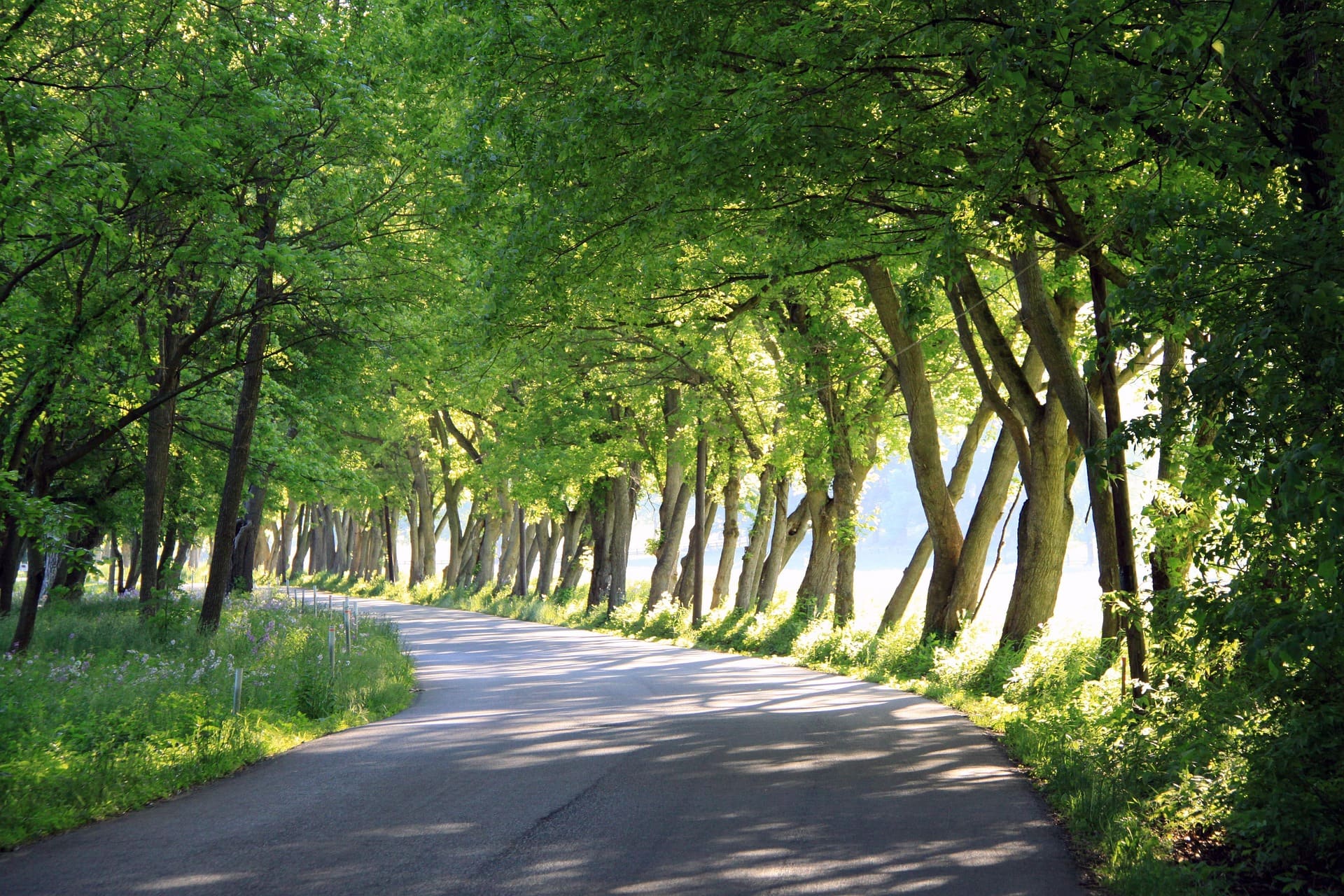
The Heights draws guests who want to experience Houston the way residents do. Tree-lined streets. Independent coffee shops. Saturday mornings at the Heights Farmers Market. An afternoon on the MKT Trail. Dinner at a restaurant they walked to. It is a neighborhood destination — and that identity is the reason it sustains occupancy year-round.
The guest who books the Heights is typically a family visiting relatives, a couple looking for a quieter alternative to downtown, or a remote worker testing Houston for a potential relocation. They stay longer than the average leisure guest. They treat the property like a home, not a hotel. And they leave reviews that compound into higher listing visibility over time.
The 19th Street shopping district anchors the neighborhood's commercial identity — boutiques, cafes, and local restaurants concentrated in a walkable corridor. Heights Mercantile and the MKT mixed-use development along the Hike and Bike Trail add density to the experience without changing its residential character. Heights Boulevard, with its wide tree-canopied median and jogging trail, runs north-south through the neighborhood and connects to Donovan Park. White Oak Music Hall, just south of the neighborhood, draws concert traffic that spills into Heights-area listings on event nights.
This demand profile produces stable, repeatable income. It does not spike as dramatically as Montrose during peak weekends, and it does not carry the same summer dip. The Heights' family-travel orientation means summer is actually its strongest season — families travel on school calendars, not weather forecasts.
Five Minutes to Downtown. A World Away from It.
The Heights sits just northwest of downtown Houston, connected by I-10 and I-45. Downtown is a five-minute drive. Midtown and Montrose are ten minutes south. The Galleria is fifteen minutes west. NRG Stadium is twenty minutes during non-event traffic.
This proximity makes the Heights a natural overflow market for every major Houston demand driver. Rodeo visitors who want a house instead of a hotel. Conference attendees who prefer a residential neighborhood to a downtown high-rise. Families visiting the Museum District or the Zoo who want to come home to a quiet street. The location works because it offers access without the noise — close enough to reach anything in Houston, far enough to feel like a retreat from it.
Families. Couples. Relocators.
The Heights guest profile is the most residentially oriented in Houston's STR market. Families represent the largest segment — visiting relatives, attending events at NRG, or spending a long weekend exploring Houston with children. These guests prioritize yard space, multiple bedrooms, a full kitchen, and a quiet street. They book three to seven nights and they treat the property the way they treat their own home.
Couples make up the second segment. They want the 19th Street restaurant scene, the trail, and the farmers market — but without the intensity of Montrose or Midtown. The Heights offers a weekend experience that feels intentional without trying too hard. These bookings tend to cluster on weekends and holidays.
Remote workers and relocation scouts represent a growing mid-term segment. Houston's job market — particularly in energy, healthcare, and aerospace — draws professionals who need a furnished home for four to eight weeks while they evaluate neighborhoods. The Heights' residential character makes it one of the first places they look. These stays generate steady weekday occupancy that complements the weekend leisure bookings.
Insurance displacement is the fourth demand stream and it is underappreciated. Houston's storm exposure means homeowners periodically need furnished housing for weeks or months while their primary residence is repaired. The Heights' family-friendly housing stock — three- and four-bedroom homes with yards — fits this profile precisely. Insurance stays book at market rate and extend longer than any other guest type.
Larger Homes. Longer Stays. Residential Returns.
The Heights is one of the few Houston neighborhoods where the STR market favors larger properties. Three- and four-bedroom homes with yards, covered parking, and outdoor entertaining space outperform smaller units. Families need the room. Relocators need the space to spread out for a month. Insurance guests need a home that approximates the one they left.
The housing stock supports this. Victorian cottages and Craftsman bungalows from the early 1900s sit alongside modern townhomes and new-construction homes on the same blocks. Properties with original architectural character — wide porches, hardwood floors, mature trees — photograph well and generate stronger listing performance than new builds that could be anywhere.
Acquisition costs in the Heights are among the highest in Houston's STR-viable neighborhoods. A three-bedroom bungalow near 19th Street or Heights Boulevard will cost meaningfully more than a comparable property in Midtown or the Medical Center area. But the trade-off is a higher average daily rate and a guest profile that books longer and turns over less frequently.
The result is a revenue model that looks more like a mid-term rental than a traditional nightly STR. Average booking length in the Heights runs longer than Montrose. Cleaning frequency is reduced. For investors who prefer steady, predictable income over high-frequency nightly optimization, the Heights is the strongest fit in Houston's STR landscape.
Operations Built for Residential Pace.
Research for Houston owners
The Heights Property Management
Let’s talk about your Heights property.
No obligation. No pitch deck. A conversation about what your property can earn in Houston’s most residential neighborhood.
Contact Us