The Walkability Premium
Montrose is a four-square-mile pocket of Houston where guests can walk to dinner, walk to a museum, walk to a bar, and walk home. In a city defined by highways and sprawl, that is rare. It is also the reason Montrose commands a nightly rate premium over comparable properties in less walkable neighborhoods.
The Menil Collection, the Rothko Chapel, the Contemporary Arts Museum, and the Museum of Fine Arts are all within the neighborhood or a short walk from its borders. Westheimer Road and Lower Westheimer concentrate dozens of independent restaurants, cocktail bars, and retail shops into a corridor that guests explore on foot. Buffalo Bayou Park sits along the northern edge.
This density of walkable attractions produces a guest who books Montrose specifically — not Houston generally. They chose the neighborhood before they chose the property. That intent translates into higher conversion rates on listings that emphasize location, and stronger review scores from guests who feel like they experienced a real neighborhood rather than a hotel corridor.
The demand is year-round but not uniform. October through April is strongest, when Houston's weather is temperate and outdoor activity peaks. June through September slows as heat drives casual leisure travel elsewhere. Operators who understand this seasonality and price accordingly outperform those who set static rates.
Central to Everything That Draws People to Houston
Montrose sits at the geographic center of Houston's demand generators. Downtown is five minutes east. The Texas Medical Center is ten minutes south. NRG Stadium is fifteen minutes away. The Galleria is fifteen minutes west. No other Houston neighborhood offers this kind of radial access.
This means Montrose captures spillover from every major demand driver in the city. Medical travelers who want more character than a hospital-adjacent apartment. Business travelers attending downtown conferences who prefer a neighborhood over a hotel district. Rodeo and Texans fans who want walkable nightlife after the event. The neighborhood functions as a default for guests who want proximity to Houston's attractions without sacrificing the experience of actually being somewhere interesting.
Experience-Driven Travelers.
The typical Montrose guest is not a budget traveler. They chose this neighborhood for the experience, not the price point — to eat at Uchi, browse the Menil, and have a cocktail at Anvil. This self-selection produces a guest who values the property as part of a broader itinerary and is willing to pay for location quality.
Average stays run shorter than the Medical Center — typically three to five nights for leisure travelers, with longer bookings from remote workers and corporate relocations filling weekday gaps. Weekend occupancy runs higher than weekday, which creates an opportunity to layer mid-term stays during the week and nightly bookings on weekends.
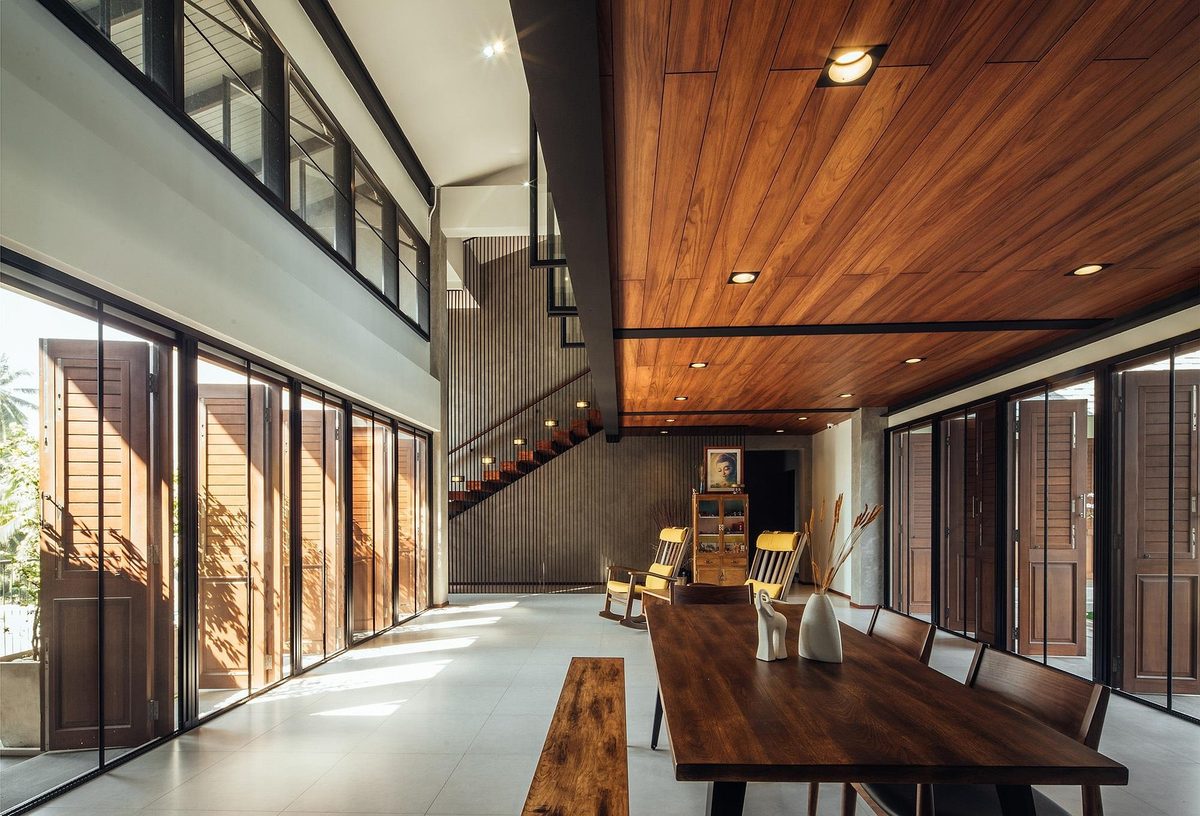
The guest profile skews younger and more design-conscious than other Houston neighborhoods. Interior presentation matters here more than it does near TMC. Properties that photograph well and reflect the neighborhood's aesthetic — eclectic, curated, warm — outperform generic staging. This is one of the few Houston markets where design investment directly correlates with rate premium.
Montrose also draws a significant LGBTQ+ travel segment. The neighborhood has been Houston's LGBTQ+ center for decades, and Pride Houston in June is one of the city's largest events. Properties that position themselves as inclusive and welcoming tap into a loyal and recurring guest base that books Montrose year after year.
Character Properties in a Character Neighborhood.
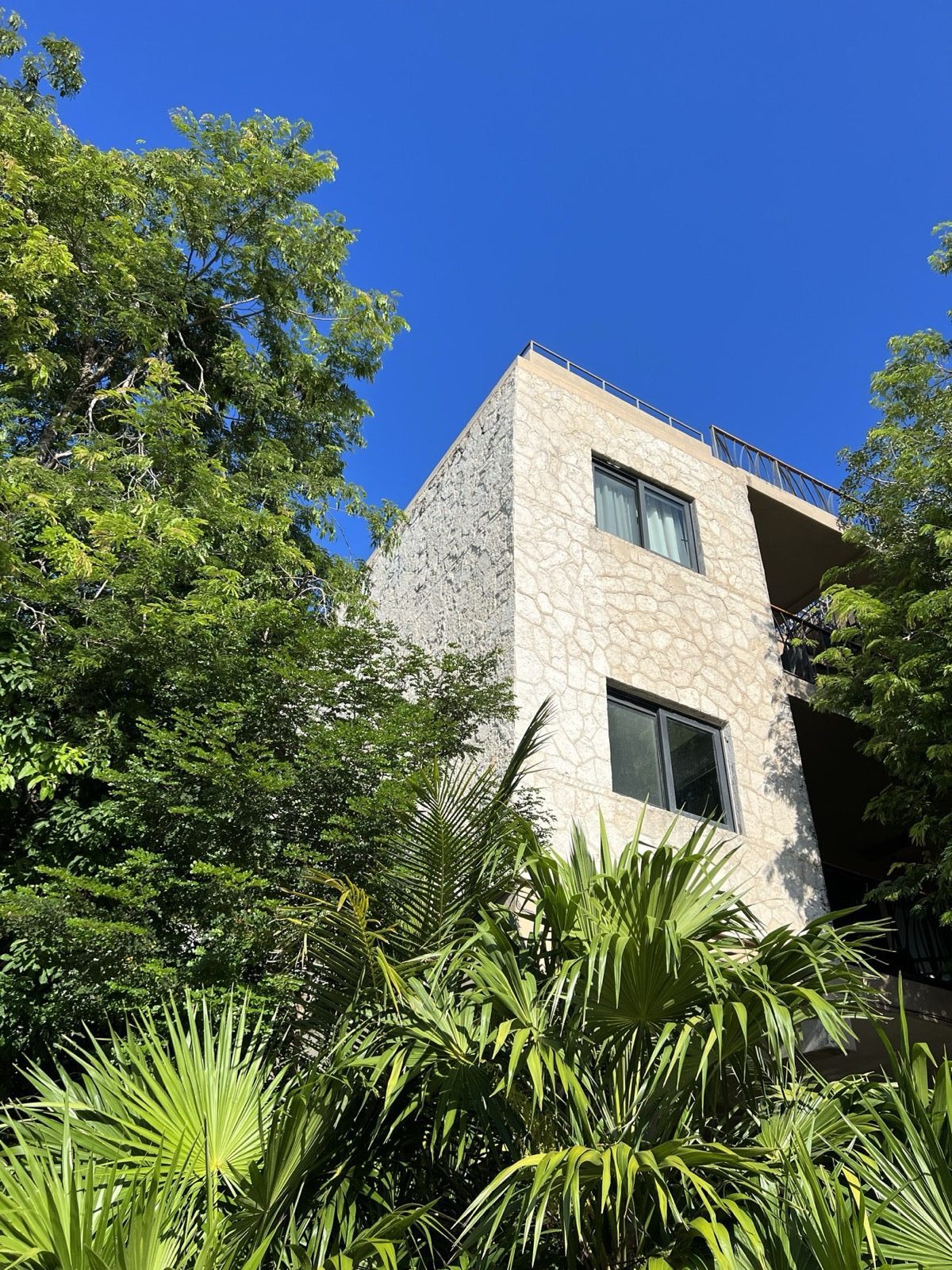
Montrose rewards properties with personality. The neighborhood's housing stock — bounded roughly by Highway 59 to the south and Shepherd Drive to the west — includes 1920s bungalows, mid-century duplexes, converted garage apartments, and modern townhomes, often on the same block. Guests expect this variety. A property that leans into its architectural character performs better than one that tries to look like a hotel.
The sweet spot is a two- or three-bedroom home or duplex unit with outdoor space, covered parking, and walkable access to Westheimer or Lower Westheimer. In-unit laundry, a functional kitchen, and strong Wi-Fi are baseline expectations. Properties with private patios or porches outperform — outdoor space is a differentiator when the neighborhood itself is the attraction.
Acquisition costs in Montrose run higher than the Medical Center or Midtown. A well-located bungalow will cost more per square foot than a comparable property ten minutes further out. But the rate premium justifies the basis — Montrose listings consistently command 15–25% higher nightly rates than comparable Houston properties in less walkable locations.
The trade-off is turnover. Shorter average stays mean more cleanings, more guest communications, and more operational touchpoints per revenue dollar than a medical-travel property near TMC. The margin between a well-managed Montrose listing and a self-managed one is wider than in any other Houston neighborhood. The operational cadence is faster, and the penalties for inconsistency — missed turnovers, slow responses, stale pricing — compound quickly.
Operations Calibrated for Pace.
Research for Houston owners
Montrose Property Management
Let’s talk about your Montrose property.
No obligation. No pitch deck. A conversation about what your property can earn in Houston’s most walkable neighborhood.
Contact Us