Why Region 15
Region 15 is Tulum's most active development frontier. Until 2017, this was undisturbed jungle between La Veleta and the beach zone. Now it houses dozens of condo projects in various stages of construction and delivery, most built explicitly for the vacation rental market. The appeal is simple: the lowest entry prices in Tulum for new-build inventory, positioned between two and four kilometers from the beach via Avenida Kukulkán.
This is not a neighborhood with services. There is no sewage system. No paved streets. No municipal running water. Properties operate on wells and biodigestors. Electricity and internet are available, but the infrastructure ends there. Google Maps often shows roads that do not exist or cannot be driven. During rainy season, dirt paths become impassable. The gap between the renders investors see at the sales presentation and what exists on the ground is as wide here as anywhere in Mexico.
The investment thesis is speculative but real: as Tulum's infrastructure extends south and east — paved roads, municipal water, commercial corridors — Region 15 properties will appreciate. The Tulum International Airport and the Maya Train have already shortened the distance between this zone and the rest of the Yucatán Peninsula. The question is whether an owner can sustain operations profitably during the years between purchase and infrastructure completion.
That question is an operational one. And for an absentee investor managing from another country, the answer depends entirely on who is managing the property on the ground.
Region 15 operates at the frontier of Tulum's short-term rental market — where the gap between investment thesis and operational reality is widest.
Explore the full Tulum marketThe Operational Reality
Region 15 is the zone where property managers decline to take on studios and one-bedrooms. The economics do not work at the lower end of the rate spectrum when operational costs are this high. Some owners attempt to self-manage through off-platform bookings — and find themselves handling maintenance emergencies from another time zone with no local vendor relationships and no system for the infrastructure issues this zone produces.
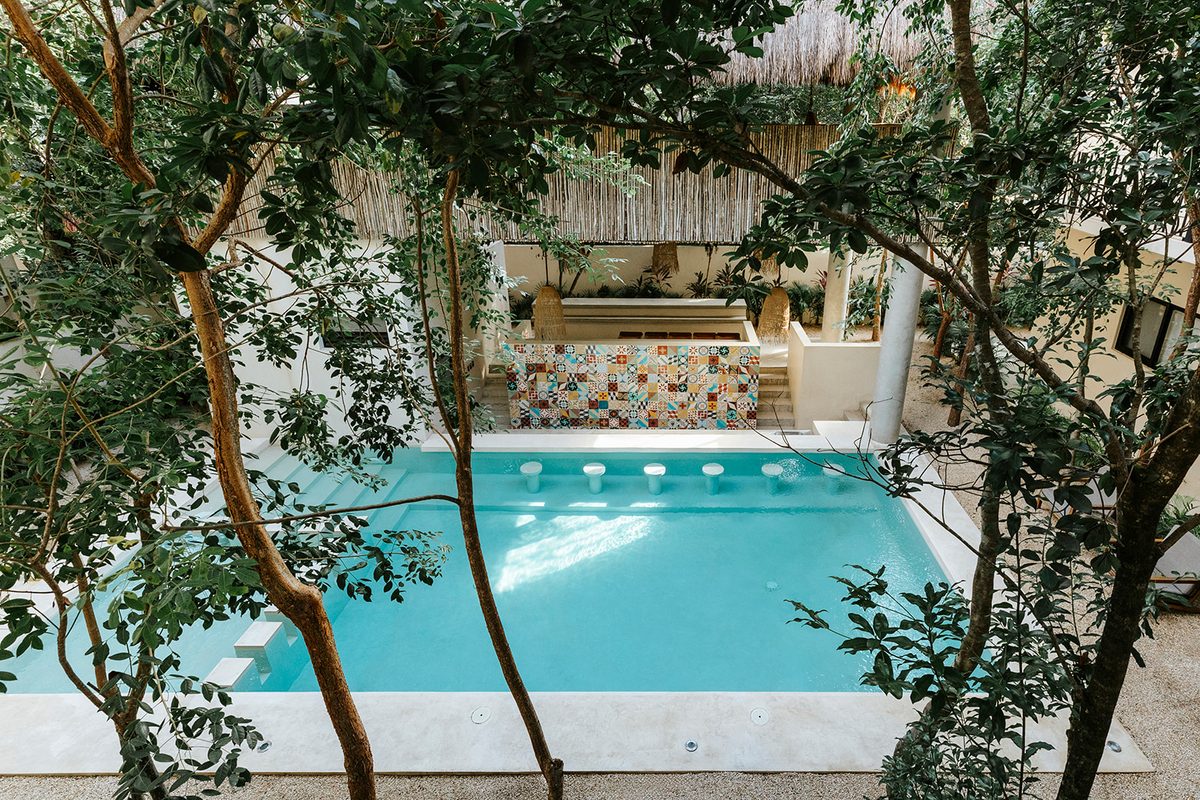
The properties that generate returns here are two-bedroom condos and villas — formats that command enough nightly revenue to absorb the higher operating costs of this zone. Villas with private pools and jungle settings perform particularly well because they offer an experience that the more urban zones cannot replicate: genuine seclusion, privacy, and the ability to host small groups or retreats without noise restrictions.
Construction is ongoing throughout Region 15. Projects delivering in 2025, 2026, and 2027 mean active construction sites adjacent to occupied buildings. Guest complaints about noise are not occasional — they are structural to the zone. Listings need to acknowledge this reality rather than pretend it does not exist. Guests who choose Region 15 knowingly tolerate the tradeoffs. Guests who arrive expecting Aldea Zama-level polish leave one-star reviews.
Road conditions directly impact every aspect of operations. Cleaning crews need vehicles that can navigate unpaved jungle paths. Contractors quote higher rates for Region 15 jobs because travel time is longer and vehicle wear is real. Airport transfers require drivers who actually know the routes — GPS directions in this zone are unreliable at best, dangerous at worst.
What We Manage in Region 15
Two-bedroom condos, villas, and select larger units positioned for short-term rental income. We do not take on studios or one-bedrooms in Region 15 — the nightly rates in this zone do not generate enough revenue to cover the operational intensity required. We will tell you directly if a property is not viable for managed short-term rental operations.
Platform management runs across Airbnb, VRBO, and Booking.com with pricing that reflects Region 15's position in the market. This zone competes on experience — jungle seclusion, private pools, design-forward interiors — not on location convenience. Listings are written and photographed to attract guests who specifically want what Region 15 offers, not guests who settled for it because everything else was booked.
Maintenance requires a different operational model than more established zones. Every property we manage in Region 15 has a documented infrastructure profile: water source (well vs. municipal), waste treatment system (biodigestor type and service schedule), power backup plans, and road access conditions by season. When something breaks — and in Region 15, things break more frequently — we know the system before we arrive.
Guest communication includes proactive arrival guidance: specific driving directions that work (not GPS), road condition warnings during rainy season, vehicle recommendations, and honest framing of what the neighborhood is and is not. This prevents the reviews that kill listings — the ones from guests who expected something the property never promised.
Investing From Abroad
Region 15 is where the distance between ownership and operations is most dangerous. An owner in Houston or Toronto cannot evaluate whether a biodigestor needs servicing, whether a well pump is failing, or whether the road to their property washed out after last night's storm. These are not quarterly concerns. They are weekly realities during six months of the year.
Pre-construction purchases dominate Region 15. Many investors bought off renders and delivery timelines that have since slipped. Some properties delivered with finishes that do not match the sales presentation. Others sit in buildings where only a fraction of units are occupied, leaving common areas undermaintained and shared amenities in limbo. We evaluate the current state of a building — not what was promised — before onboarding any property.
The cost structure favors the patient investor. Entry prices start around $120,000 for a studio (though we do not recommend studios for managed rental). Two-bedroom condos range from $180,000 to $350,000. Property taxes are low. HOA fees vary dramatically — from reasonable to inflated depending on the development's management. The commercial operating license ($750–$1,200 annually) and the 3% Quintana Roo lodging tax apply across all Tulum zones.
Research for Tulum owners

Region 15 Property Management
Own property in Region 15?
What the property can earn. What it costs to operate. Whether we are the right fit. No pitch. Just numbers.
Start a Conversation